


Introduction
Traveling is one of the best ways to discover new places, experience different cultures, and create lifelong memories. However, many people believe that exploring the world requires a huge budget. The good news is that this simply isn’t true. With the right planning and smart decisions, anyone can enjoy exciting trips without spending a fortune. These 3 Budget Travel Tips will help you reduce unnecessary expenses while making the most of every journey.
Whether you’re planning your first vacation or looking for ways to travel more frequently, learning how to manage your travel budget can make a significant difference. From booking flights at the right time to choosing affordable accommodation and spending wisely during your trip, small changes can lead to big savings. Instead of worrying about expensive hotels or overpriced tourist attractions, you can focus on creating meaningful experiences within your budget.
Budget travel isn’t about sacrificing comfort or missing out on fun activities. Instead, it’s about making informed choices that allow you to travel smarter. Many experienced travelers save hundreds of dollars by planning ahead, comparing prices, and taking advantage of local opportunities. These practical habits help stretch every dollar while still providing memorable adventures.
In this guide, you’ll learn 3 Budget Travel Tips that are easy to follow and suitable for both beginners and experienced travelers. By applying these simple strategies, you’ll discover that affordable travel is possible without compromising the quality of your experience.
What Are 3 Budget Travel Tips?
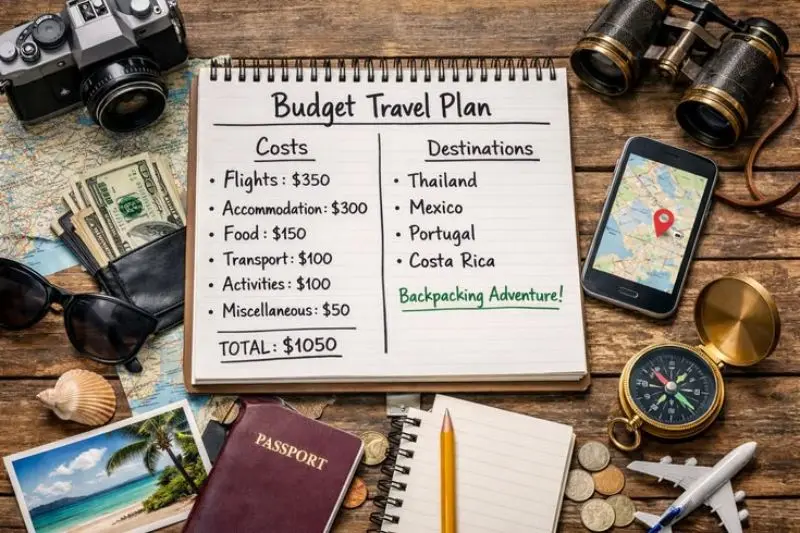
The term 3 Budget Travel Tips refers to three practical strategies that help travelers reduce expenses while enjoying memorable trips. Instead of focusing solely on spending less, these tips encourage smarter planning, better financial decisions, and more efficient use of travel resources.
Budget travel is all about maximizing value. This means finding affordable transportation, selecting cost-effective accommodation, and managing daily expenses without limiting your travel experiences. Even travelers with modest incomes can visit amazing destinations by following proven money-saving techniques.
The three essential budget travel tips include:
- Plan and book your trip early to secure lower prices on flights and accommodation.
- Choose affordable accommodation and transportation without sacrificing safety or comfort.
- Manage your daily travel expenses wisely by setting a budget and prioritizing experiences over unnecessary spending.
These simple strategies work together to help travelers enjoy more trips while keeping overall costs under control.
Key Features of Budget Travel
- Focuses on smart financial planning.
- Helps travelers avoid unnecessary expenses.
- Makes travel accessible for people with different budgets.
- Encourages research before making bookings.
- Promotes meaningful experiences instead of luxury spending.
- Reduces financial stress during vacations.
- Allows travelers to explore more destinations over time.
Budget travel doesn’t mean being cheap. Instead, it means spending intentionally so every dollar contributes to a better travel experience.
Why Are 3 Budget Travel Tips Important?
Many travelers overspend because they make last-minute decisions or fail to compare available options. Following these 3 Budget Travel Tips helps avoid common financial mistakes while improving the overall travel experience.
One of the biggest advantages of budget travel is financial freedom. Saving money on transportation and accommodation allows travelers to spend more on activities, local cuisine, cultural experiences, or future vacations. Rather than returning home with financial stress, travelers can enjoy their memories without worrying about large credit card bills.
Budget travel also encourages better planning. Researching destinations, comparing prices, and creating a realistic travel budget helps avoid unexpected costs. Travelers become more confident in managing their expenses while making informed decisions throughout their journey.
Another important benefit is flexibility. When you learn how to travel affordably, you’ll have more opportunities to explore different destinations throughout the year instead of saving for one expensive vacation.
Reasons These Budget Travel Tips Matter
- Help reduce overall travel expenses.
- Make vacations more affordable for families and individuals.
- Encourage responsible financial planning.
- Allow travelers to take more trips throughout the year.
- Minimize unexpected travel costs.
- Improve confidence when planning future vacations.
- Help create memorable experiences without overspending.
For example, a traveler who books flights several months in advance, stays in a budget-friendly guesthouse, and uses local public transportation can often save hundreds of dollars compared to someone making last-minute arrangements.
Ultimately, these 3 Budget Travel Tips prove that memorable adventures don’t depend on a large budget. Instead, they depend on careful planning, smart choices, and a willingness to explore new opportunities while spending wisely.
Detailed Step-by-Step Guide
Following these 3 Budget Travel Tips doesn’t require years of travel experience. Anyone can apply these simple strategies to reduce expenses while enjoying memorable adventures. The key is to prepare before your trip and make smart financial decisions throughout your journey.
Step 1: Plan and Book Your Trip Early
Planning ahead is one of the easiest ways to save money on travel. Flights, hotels, and transportation are usually less expensive when booked weeks or even months before departure.
Instead of waiting until the last minute, create a travel plan that includes your destination, travel dates, estimated expenses, and daily budget. This helps you avoid rushed decisions that often cost more.
How to Plan Efficiently
Decide your destination early.
Compare flight prices on different dates.
Book accommodation several weeks in advance.
Prepare a travel budget.
Keep digital copies of important documents.
Research local transportation options.
Example
Imagine you’re planning a five-day vacation. Booking your flight three months ahead could cost significantly less than purchasing the same ticket one week before departure. Those savings can be used for sightseeing or local food instead.
Step 2: Choose Affordable Accommodation and Transportation
Accommodation often consumes a large part of a travel budget. Fortunately, there are many comfortable and affordable alternatives to luxury hotels.
Depending on your destination, you can choose budget hotels, guesthouses, hostels, vacation rentals, or family-run accommodations. Reading reviews before booking helps ensure you receive good value for your money.
Transportation choices also matter. Public transportation is usually much cheaper than taxis or private transfers.
Ways to Save on Accommodation
- Book early for better rates.
- Compare prices before confirming reservations.
- Stay slightly outside major tourist areas.
- Consider hostels or guesthouses.
- Look for accommodations offering free breakfast.
- Travel during the off-season when prices are lower.
- Ways to Save on Transportation
- Use buses and trains instead of taxis.
- Purchase daily or weekly travel passes.
- Walk whenever possible.
- Rent bicycles in bike-friendly cities.
- Share rides with fellow travelers when appropriate.
Example
Instead of staying in a luxury hotel located in the city center, choosing a clean guesthouse just a short bus ride away can reduce accommodation costs while still providing easy access to attractions.
Step 3: Manage Your Daily Travel Expenses Wisely
Even after securing affordable flights and accommodation, daily spending can quickly add up if you’re not careful.
Creating a daily spending limit helps you stay within your overall travel budget while still enjoying your trip.
Track your expenses throughout the day. Small purchases such as snacks, drinks, souvenirs, and transportation can become surprisingly expensive when combined.
- Smart Daily Spending Habits
- Set a daily spending limit.
- Eat where local residents eat.
- Carry a reusable water bottle.
- Visit free attractions whenever possible.
- Avoid unnecessary shopping.
- Use cash when it helps control spending.
Example
Rather than eating every meal at restaurants near famous attractions, walking a few streets away often leads to authentic local food at much lower prices.
Bonus Money-Saving Ideas
In addition to the 3 Budget Travel Tips, these extra strategies can stretch your travel budget even further.
Travel During Off-Peak Seasons
Flights and hotels are usually cheaper outside major holidays and school vacations. Popular attractions are also less crowded.
Pack Light
Many airlines charge extra baggage fees. Packing only what you need helps avoid unnecessary costs.
Look for Free Attractions
Many cities offer:
- Public parks
- Museums with free admission days
- Walking tours
- Beaches
- Historical districts
- Cultural festivals
These experiences can be just as memorable as expensive attractions.
Avoid Currency Exchange at Airports
Airport exchange counters often provide less favorable rates. Planning your currency exchange beforehand may help you save money.
Carry Snacks
Buying snacks at airports or tourist attractions is usually expensive. Packing light snacks can reduce unnecessary spending during travel days.
Benefits of 3 Budget Travel Tips
Using these 3 Budget Travel Tips provides advantages that go beyond saving money.
Financial Benefits
Lower transportation costs.
Reduced accommodation expenses.
Better control over travel spending.
More money available for future trips.
Travel Benefits
- Less financial stress during vacations.
- Greater flexibility when planning activities.
- Opportunity to travel more frequently.
- Ability to explore destinations for longer periods.
Personal Benefits
Improved budgeting skills.
Increased confidence in travel planning.
Better decision-making.
More meaningful travel experiences.
Practical Benefits
Easier trip organization.
Fewer unexpected expenses.
Better preparation before departure.
More enjoyable and relaxed vacations.
Disadvantages / Risks
Although budget travel offers many advantages, there are some challenges to consider.
Possible Drawbacks
- Budget accommodations may offer fewer amenities.
- Public transportation can take longer than taxis.
- Cheap flights sometimes include baggage restrictions.
- Popular budget accommodations sell out quickly.
- Last-minute changes may increase costs.
- Spending too little may reduce overall comfort.
How to Reduce These Risks
- Read accommodation reviews carefully.
- Understand airline baggage policies.
- Build a small emergency fund.
- Keep copies of important reservations.
- Balance affordability with comfort and safety.
Remember that budget travel is about making smart choices—not simply choosing the cheapest option every time.
Common Mistakes to Avoid
Many travelers unknowingly increase their expenses by making avoidable mistakes. Recognizing these common errors can help you get the most value from your trip.
Booking at the Last Minute
Waiting too long often results in higher prices for flights and hotels.
Ignoring Hidden Fees
Always check for:
- Baggage fees
- Resort charges
- Service fees
- Transportation costs
- Currency conversion fees
Overpacking
Extra luggage may result in expensive airline baggage charges.
Not Creating a Budget
Traveling without a spending plan makes it easy to overspend on food, shopping, and entertainment.
Eating Only in Tourist Areas
Restaurants near major attractions often charge higher prices than local eateries.
Forgetting Travel Insurance
While it may seem like an extra expense, travel insurance can protect you from unexpected financial losses caused by cancellations, medical emergencies, or lost luggage.
Not Comparing Prices
Booking the first available option without comparing alternatives can cost significantly more.
Spending Too Much on Souvenirs
Buying too many souvenirs may consume money that could be used for memorable experiences.
Ignoring Public Transportation
Many cities have reliable public transport systems that are far cheaper than taxis or ride-sharing services.
Chasing the Cheapest Option Without Research
The lowest price isn’t always the best value. Prioritize safety, cleanliness, convenience, and positive reviews before making a booking.
FAQs About 3 Budget Travel Tips
Can I enjoy traveling even with a limited budget?
Absolutely. Budget travel is about making smart financial decisions rather than giving up enjoyable experiences. By planning ahead, choosing affordable accommodation, using public transportation, and managing daily expenses, you can visit amazing destinations without overspending. Many travelers discover that budget-friendly trips often lead to more authentic and memorable experiences.
How far in advance should I book my trip?
For most destinations, booking flights and accommodation two to four months before departure can help you find better prices. If you’re traveling during holidays or peak tourist seasons, consider booking even earlier. Early planning also gives you more choices and reduces the stress of last-minute arrangements.
Is staying in budget accommodation safe?
Yes, budget accommodation can be safe if you do your research. Read guest reviews, check ratings, and look for accommodations with a good reputation. Prioritize cleanliness, security features, and convenient locations over simply choosing the lowest price.
How can I save money on food while traveling?
One of the best ways to reduce food expenses is to eat where local residents dine instead of choosing restaurants located near major tourist attractions. You can also enjoy accommodations that include breakfast, carry reusable water bottles, purchase snacks from local grocery stores, and avoid unnecessary spending on expensive drinks or convenience foods.
Should I use cash or credit cards while traveling?
Using both is usually the smartest approach. Carry enough cash for small purchases, public transportation, and local markets, while using credit or debit cards for larger expenses when accepted. Always keep some emergency cash available and monitor your spending throughout the trip.
What is the biggest mistake first-time budget travelers make?
The most common mistake is failing to create a realistic travel budget before leaving. Without a spending plan, it’s easy to overspend on transportation, shopping, dining, and entertainment. Setting daily spending limits and tracking your expenses helps keep your finances under control while allowing you to enjoy your vacation.
Expert Tips & Bonus Points
Following the basic 3 Budget Travel Tips is an excellent start, but experienced travelers often use additional strategies to maximize savings and improve their overall experience. These expert suggestions can help you travel more efficiently while staying within your budget.
Expert Tips
- Be flexible with your travel dates whenever possible to take advantage of lower prices.
- Pack only the essentials to avoid airline baggage fees.
- Keep digital and printed copies of important travel documents.
- Learn a few basic phrases in the local language to communicate more easily and connect with residents.
- Create a simple emergency fund for unexpected situations such as medical needs or transportation delays.
- Start saving for your trip several months in advance by setting aside a small amount each week.
- Explore neighborhoods beyond the main tourist areas to discover authentic local food and attractions at lower prices.
- Use free walking tours and public parks to experience a destination without spending much.
- Stay organized by keeping receipts and tracking daily expenses.
- Focus on creating memorable experiences instead of buying expensive souvenirs.
Bonus Points
If you travel regularly, keep a personal travel journal or expense tracker. Recording your spending habits, favorite destinations, and lessons learned from each trip will help you plan future vacations more effectively. Over time, you’ll become more confident in finding affordable deals and managing your travel budget wisely.
Remember that successful budget travel isn’t about choosing the cheapest option every time. It’s about balancing cost, comfort, safety, and memorable experiences to get the greatest value from every journey.
Conclusion

Traveling doesn’t have to be expensive to be rewarding. With thoughtful planning and smart financial decisions, anyone can enjoy unforgettable adventures while staying within a reasonable budget. The 3 Budget Travel Tips discussed in this guide—planning and booking early, choosing affordable accommodation and transportation, and managing daily expenses wisely—provide a practical foundation for successful and affordable travel.
These strategies help reduce unnecessary costs without limiting your ability to explore new destinations, experience local cultures, and create lasting memories. Instead of focusing on luxury, budget travel encourages travelers to spend intentionally, prioritize meaningful experiences, and make every dollar count. Over time, these habits can lead to greater financial confidence and more opportunities to travel throughout the year.
It’s also important to remember that budget travel doesn’t mean sacrificing safety or comfort. Careful research, realistic budgeting, and informed decision-making allow you to enjoy high-quality travel experiences while avoiding unnecessary financial stress. Even small changes, such as booking in advance, using public transportation, or dining at local restaurants, can result in significant savings.
Whether you’re preparing for your first trip or looking to improve your travel planning skills, these 3 Budget Travel Tips offer practical solutions that anyone can follow. Start applying them to your next adventure, and you’ll discover that exploring the world is not determined by how much money you spend, but by how wisely you plan and embrace every opportunity along the way.
