

Introduction
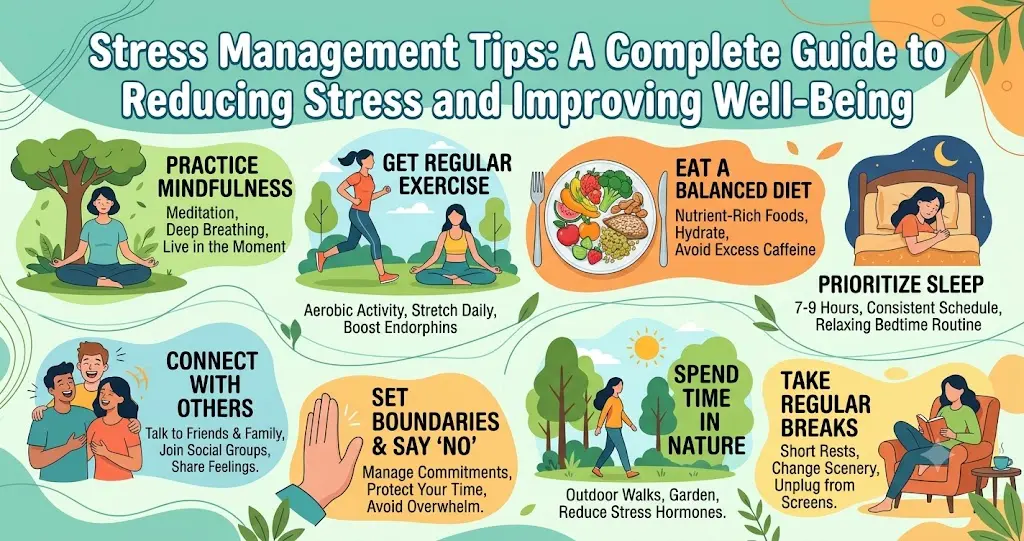
Stress is a natural part of life, but when it becomes overwhelming, it can affect physical health, emotional well-being, relationships, and productivity. Modern lifestyles often involve busy schedules, work responsibilities, financial concerns, academic pressure, and personal commitments. As a result, many people experience stress regularly without realizing its long-term impact.
While it is impossible to eliminate all stress, learning how to manage it effectively can make a significant difference. Healthy coping strategies help individuals remain calm, focused, and resilient during challenging situations. They also support better decision-making, improved health, and a higher quality of life.
The good news is that stress management does not require complicated techniques or major lifestyle changes. Small daily habits can help reduce tension and improve overall well-being. By understanding stress triggers and developing healthy responses, people can regain a sense of control and balance.
Whether you are a student preparing for exams, a professional handling workplace responsibilities, or someone simply looking to improve daily life, effective stress management can provide valuable benefits. This guide explores practical stress management tips, explains their importance, provides a step-by-step approach, discusses benefits and challenges, answers common questions, and shares expert advice for creating a healthier and more balanced lifestyle.
What is Stress Management Tips?
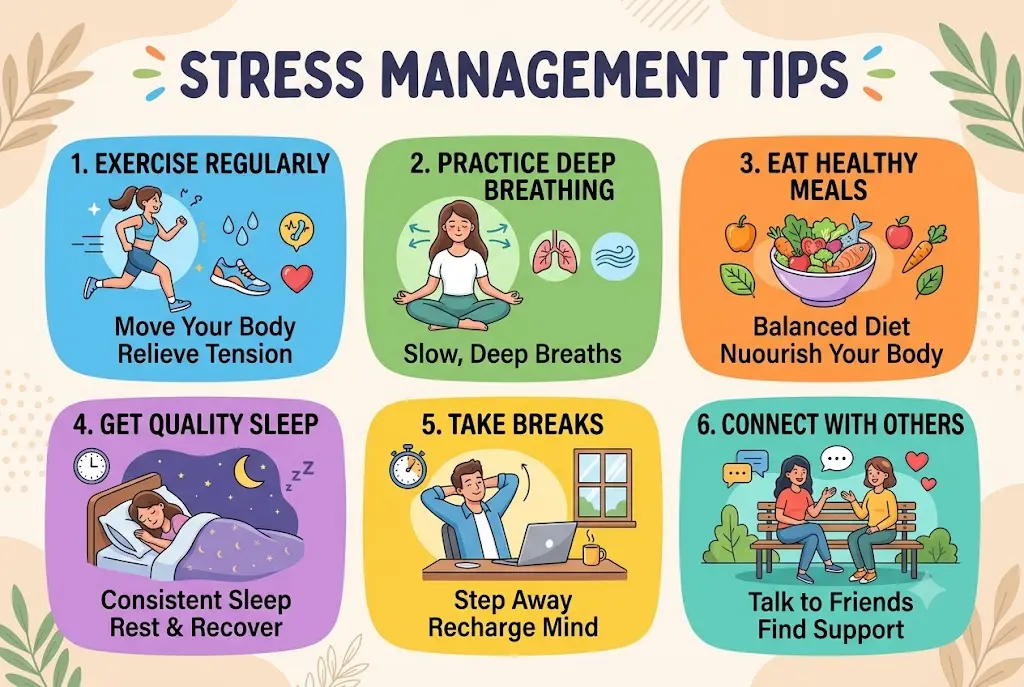
Stress management tips are practical strategies and techniques that help individuals recognize, reduce, and cope with stress in healthy ways.
These methods focus on improving emotional, mental, and physical well-being by helping people respond more effectively to life’s challenges.
Common stress management practices include:
- Deep breathing exercises
- Physical activity
- Time management
- Healthy eating
- Quality sleep
- Relaxation techniques
- Positive thinking
- Social support
The purpose of stress management is not to avoid all difficulties. Instead, it helps people develop healthier responses to stressful situations and maintain balance during demanding times.
Why is Stress Management Tips Important?
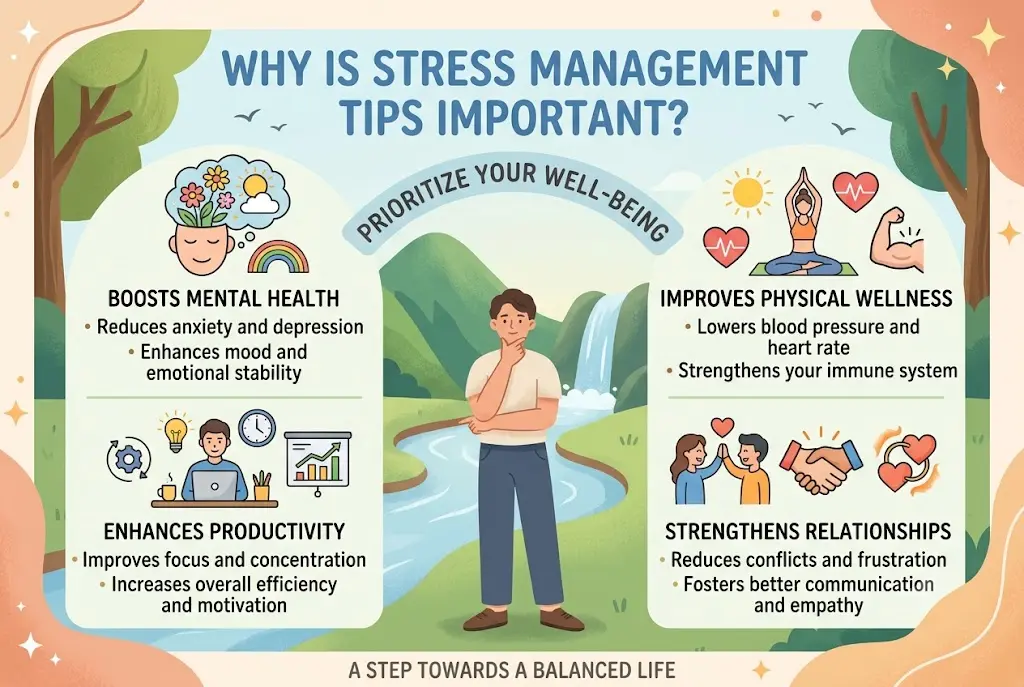
Understanding and applying stress management tips can improve many areas of life.
Supports Mental Health
Effective stress management helps reduce feelings of anxiety, frustration, and emotional exhaustion.
Improves Physical Health
Chronic stress may contribute to headaches, fatigue, high blood pressure, and other health concerns.
Enhances Productivity
People who manage stress effectively often maintain better focus and performance.
Strengthens Relationships
Reduced stress can improve communication and interpersonal interactions.
Promotes Better Sleep
Stress reduction techniques often support healthier sleep patterns.
Increases Resilience
Managing stress helps individuals adapt more effectively to challenges and setbacks.
These benefits demonstrate why stress management is an important life skill.
Detailed Step-by-Step Guide
Step 1: Identify Stress Triggers
The first step is understanding what causes stress.
Common triggers include:
- Work pressure
- Financial concerns
- Family responsibilities
- Academic demands
- Health issues
Recognizing triggers makes it easier to develop effective coping strategies.
Step 2: Practice Deep Breathing
Deep breathing is one of the simplest ways to reduce stress.
Try this process:
- Inhale slowly through your nose
- Hold for a few seconds
- Exhale gradually
- Repeat several times
This technique helps calm the mind and body.
Step 3: Exercise Regularly
Physical activity supports both physical and mental health.
Examples include:
- Walking
- Running
- Cycling
- Swimming
- Yoga
Exercise releases chemicals that promote positive feelings and relaxation.
Step 4: Improve Time Management
Poor time management often increases stress.
Helpful strategies include:
- Creating schedules
- Prioritizing tasks
- Setting realistic deadlines
- Avoiding procrastination
Organization reduces unnecessary pressure.
Step 5: Maintain Healthy Eating Habits
Nutrition plays an important role in overall well-being.
Focus on:
- Fruits
- Vegetables
- Whole grains
- Lean proteins
- Adequate hydration
Balanced nutrition supports energy and mental clarity.
Step 6: Get Quality Sleep
Sleep is essential for recovery and stress reduction.
Improve sleep by:
- Following a consistent schedule
- Limiting screen time before bed
- Creating a comfortable environment
Adequate rest improves emotional resilience.
Step 7: Practice Mindfulness
Mindfulness encourages awareness of the present moment.
Techniques include:
- Meditation
- Gratitude journaling
- Guided relaxation
- Quiet reflection
Mindfulness can help reduce negative thought patterns.
Step 8: Build Strong Social Connections
Supportive relationships can make stressful situations easier to handle.
Talk with:
- Friends
- Family members
- Mentors
- Trusted colleagues
Sharing concerns often reduces emotional burden.
Step 9: Set Healthy Boundaries
Avoid taking on more responsibilities than you can reasonably manage.
Learning to say no when necessary helps protect your time and energy.
Step 10: Make Time for Enjoyable Activities
Engaging in hobbies and enjoyable experiences can improve mood and reduce tension.
Examples include:
- Reading
- Gardening
- Music
- Creative projects
- Outdoor activities
Regular enjoyment contributes to overall well-being.
Benefits of Stress Management Tips
Applying effective stress management tips offers many advantages.
- Reduced anxiety
- Improved mental health
- Better physical well-being
- Increased productivity
- Enhanced focus and concentration
- Better sleep quality
- Improved emotional balance
- Stronger relationships
- Greater resilience
- Increased self-awareness
- Better decision-making
- Improved mood
- Reduced fatigue
- Healthier lifestyle habits
- Greater life satisfaction
For example, a professional who manages stress effectively may maintain higher performance levels while experiencing fewer feelings of burnout.
Disadvantages / Risks
Although stress management is beneficial, certain challenges can arise during implementation.
- Difficulty maintaining consistency
- Unrealistic expectations
- Time commitment requirements
- Initial discomfort when changing habits
- Lack of immediate results
- Resistance to lifestyle changes
- Overreliance on a single technique
- Frustration during setbacks
- Difficulty identifying stress sources
- Limited motivation during stressful periods
Understanding these challenges can help individuals remain committed to long-term improvement.
Common Mistakes to Avoid
Many people unintentionally make mistakes that increase stress levels.
Ignoring Stress Symptoms
Recognizing early warning signs allows for faster intervention.
Skipping Sleep
Poor sleep often worsens emotional and physical stress responses.
Neglecting Physical Activity
Regular movement supports mental health and stress reduction.
Relying on Unhealthy Coping Habits
Avoid using unhealthy behaviors as primary stress-relief methods.
Taking on Too Many Responsibilities
Overcommitting can quickly lead to burnout.
Avoiding Communication
Discussing concerns with trusted individuals often provides support and perspective.
Expecting Immediate Results
Healthy habit changes usually require consistency and patience.
Comparing Yourself to Others
Everyone experiences and manages stress differently.
What are stress management tips?
Stress management tips are strategies and techniques that help individuals reduce stress and cope with challenges in healthier ways.
Why is stress management important?
It supports mental health, improves physical well-being, enhances productivity, and helps maintain emotional balance.
What causes stress?
Stress can result from work demands, financial concerns, family responsibilities, health issues, academic pressure, and major life changes.
Can exercise reduce stress?
Yes. Physical activity helps improve mood, reduce tension, and support overall well-being.
How does sleep affect stress?
Quality sleep helps the body recover and improves emotional resilience, making it easier to handle challenges.
Is stress always harmful?
Not always. Short-term stress can sometimes motivate action, but chronic stress may negatively affect health and well-being.
How can mindfulness help with stress?
Mindfulness encourages present-moment awareness and can reduce negative thinking patterns that contribute to stress.
How long does it take to see improvements?
Results vary, but many people notice positive changes after consistently practicing healthy stress management habits.
Expert Tips & Bonus Points
Professionals who study well-being often recommend these additional strategies.
Start Small
Introduce one or two habits at a time rather than making major changes immediately.
Create a Daily Routine
Structure can provide stability and reduce uncertainty.
Keep a Journal
Writing thoughts and experiences may help identify stress patterns.
Focus on What You Can Control
Concentrate energy on actions within your influence.
Practice Gratitude
Recognizing positive aspects of life can improve perspective.
Limit Information Overload
Constant exposure to information can increase mental fatigue.
Stay Physically Active
Movement supports both mental and physical health.
Develop Positive Self-Talk
Encouraging thoughts can improve confidence and resilience.
Prioritize Self-Care
Personal well-being should remain an important priority.
Seek Support When Needed
Professional guidance may be helpful when stress becomes difficult to manage independently.
Conclusion
Stress is an unavoidable part of life, but it does not have to control your well-being or happiness. By learning and applying effective stress management tips, individuals can improve their ability to handle challenges, maintain emotional balance, and protect their overall health. Small changes such as improving sleep, exercising regularly, practicing mindfulness, and managing time effectively can create meaningful improvements over time.
Throughout this guide, we explored the meaning of stress management tips, why they are important, practical implementation steps, benefits, challenges, common mistakes, frequently asked questions, and expert recommendations. These insights demonstrate that managing stress is not about avoiding difficulties but developing healthier ways to respond to them.
Everyone experiences stress differently, which means there is no single solution that works for everyone. The key is identifying strategies that fit your lifestyle and applying them consistently. Patience, self-awareness, and commitment are essential components of long-term success.
By taking proactive steps today, you can build resilience, improve your quality of life, strengthen relationships, and support both physical and mental well-being. A balanced approach to stress management can help you face life’s challenges with greater confidence, clarity, and peace of mind.
