

Introduction
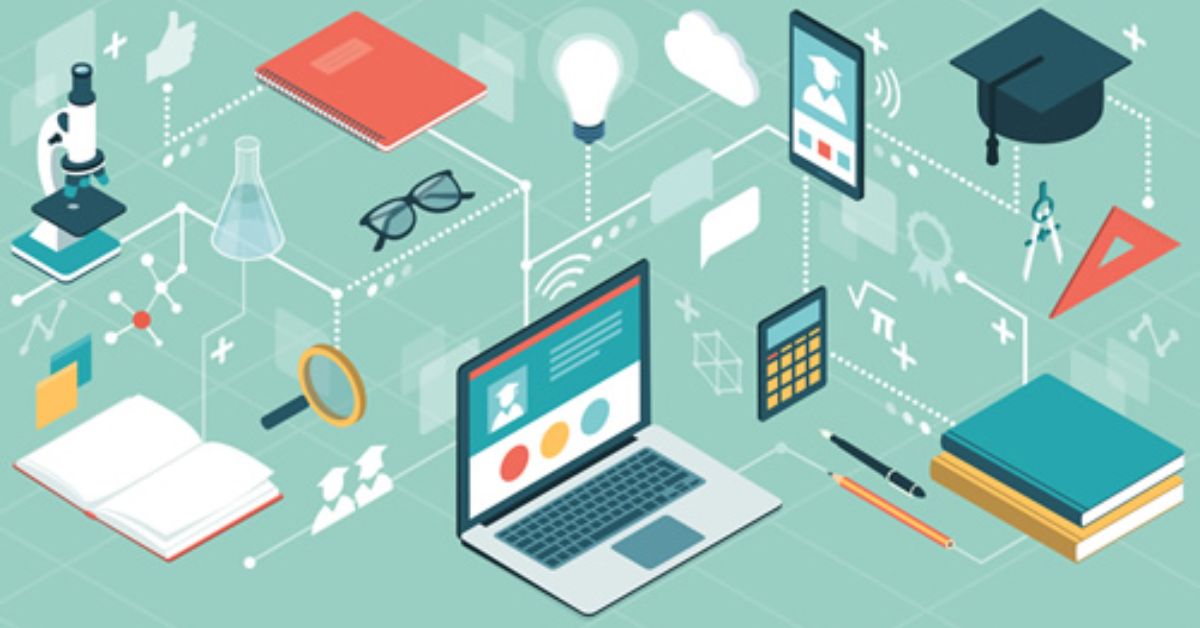
Technology has completely transformed the way people learn, making education more flexible, interactive, and accessible than ever before. Whether you are a school student, college learner, working professional, or lifelong learner, Digital Learning Tools have become an essential part of modern education. Instead of relying only on traditional textbooks and classroom lectures, learners can now access online courses, virtual classrooms, educational apps, digital note-taking platforms, and collaboration software from virtually anywhere.
The growing popularity of digital education has created countless opportunities for students to study at their own pace while improving productivity and knowledge retention. With just a computer, tablet, or smartphone and an internet connection, learners can attend live classes, watch recorded lessons, complete assignments, and communicate with teachers and classmates in real time. These innovations have made education more engaging and convenient than ever before.
However, choosing the right tools can be challenging because hundreds of learning platforms and applications are available today. Each offers different features designed for specific educational needs, learning styles, and skill levels.
This comprehensive guide explains everything you need to know about Digital Learning Tools, including their importance, different types, practical uses, and how to select the best options for your educational goals. Whether you are just beginning your digital learning journey or looking to improve your existing study habits, this guide will help you make informed decisions and maximize your learning potential.
What are Digital Learning Tools?
Digital Learning Tools are software applications, online platforms, websites, and electronic resources that help students, teachers, and professionals learn more efficiently through technology. They support teaching, collaboration, communication, organization, assessment, and independent learning.
Unlike traditional educational methods that depend mainly on printed materials, digital tools provide interactive experiences through videos, quizzes, animations, simulations, discussion forums, and cloud-based collaboration.
Common examples include:
- Learning Management Systems (LMS)
- Video conferencing platforms
- Digital note-taking applications
- Flashcard software
- Online quiz platforms
- Educational video libraries
- Cloud storage services
- Virtual whiteboards
- Productivity and planning apps
- Interactive educational websites
These tools make learning more personalized because users can choose resources that match their individual pace, interests, and learning preferences.
Modern educational institutions also rely on digital learning environments to distribute assignments, monitor student progress, conduct examinations, and provide instant feedback.
Why are Digital Learning Tools Important?
Digital education continues to grow because learning is no longer limited by location or classroom schedules. These tools provide opportunities that were impossible only a few decades ago.
Some major reasons why Digital Learning Tools are important include:
- They provide access to educational resources anytime.
- Students can learn from anywhere with internet access.
- Lessons become more interactive and engaging.
- Teachers can easily monitor student performance.
- Collaboration becomes faster and more effective.
- Learning materials remain organized in one place.
- Students develop valuable digital literacy skills.
- Personalized learning improves understanding and retention.
- Online assessments provide immediate feedback.
- Educational costs may decrease through digital resources.
As technology evolves, digital learning continues becoming an essential part of schools, universities, businesses, and professional development programs.
Detailed Step-by-Step Guide
Step 1: Identify Your Learning Goals
Before selecting any digital platform, determine exactly what you want to achieve.
Ask yourself questions such as:
- Are you preparing for exams?
- Do you want professional certification?
- Are you learning a new language?
- Do you need better organization?
- Do you want to improve productivity?
Having clear goals prevents wasting time on unnecessary tools.
Step 2: Choose the Right Device
A reliable device creates a smoother learning experience.
Popular choices include:
- Desktop computers
- Laptops
- Tablets
- Smartphones
Choose a device based on your learning activities. Video editing, programming, and graphic design require more powerful hardware than reading notes or watching lectures.
Step 3: Select Suitable Learning Platforms
Different platforms serve different educational purposes.
Look for platforms that offer:
- Structured courses
- Progress tracking
- Interactive exercises
- Downloadable resources
- Practice quizzes
- Discussion communities
- Mobile compatibility
- Offline access
Beginners should focus on platforms with simple navigation and well-organized lessons.
Step 4: Organize Your Study Materials
Keeping learning resources organized saves valuable time.
Create separate folders for:
- Notes
- Assignments
- Projects
- Practice tests
- Reading materials
- Certificates
- Presentations
Cloud storage helps synchronize files across multiple devices while reducing the risk of losing important documents.
Step 5: Build a Consistent Study Schedule
Consistency produces better results than occasional long study sessions.
Set realistic goals by deciding:
- Daily study hours
- Weekly targets
- Assignment deadlines
- Revision sessions
- Break times
Using digital calendars and reminder applications can help maintain discipline and improve time management.
Benefits of Digital Learning Tools
Digital learning has become an essential part of modern education because it combines convenience, flexibility, and innovation. When used correctly, Digital Learning Tools can significantly improve academic performance, professional development, and lifelong learning. They make education more accessible while helping learners stay organized and motivated.
Some of the major benefits include:
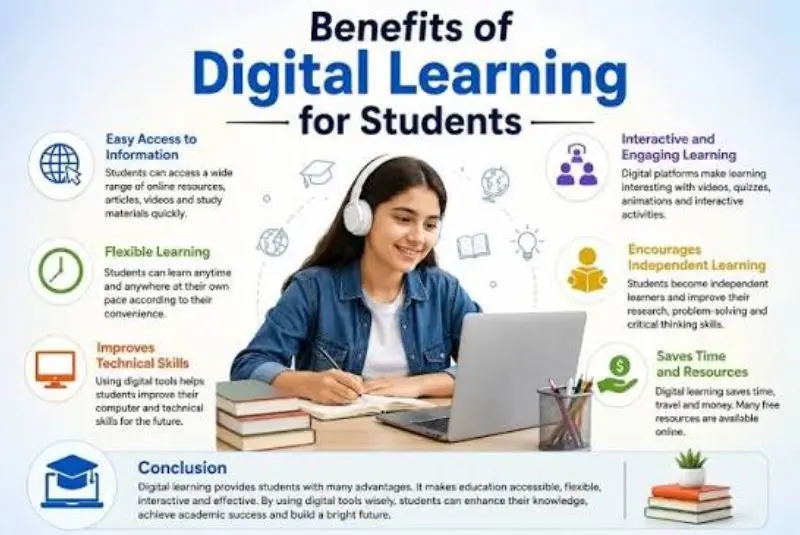
- Learn Anytime and Anywhere: Students can access lessons, assignments, and study materials from home, school, libraries, or while traveling. Learning is no longer restricted to classroom hours.
- Flexible Learning Pace: Every learner studies differently. Digital platforms allow users to pause, replay, or review lessons as many times as needed, making difficult concepts easier to understand.
- Interactive Learning Experience: Videos, animations, simulations, quizzes, and games make lessons more engaging than traditional lectures. Interactive content often improves attention and knowledge retention.
- Easy Collaboration: Students can work together on projects using shared documents, discussion boards, and virtual meeting platforms. Teachers can also provide feedback instantly.
- Better Organization: Digital calendars, note-taking applications, and task management tools help learners organize assignments, schedules, and study materials efficiently.
- Instant Feedback: Online quizzes and assessments often provide immediate results, allowing students to identify mistakes and improve quickly.
- Access to Global Resources: Learners can explore courses, tutorials, research materials, and educational content created by experts from around the world.
- Supports Different Learning Styles: Visual learners benefit from videos and graphics, auditory learners enjoy recorded lectures, and hands-on learners can use interactive exercises and virtual labs.
- Improved Digital Skills: Regular use of technology develops computer literacy, communication skills, online research abilities, and digital collaboration, all of which are valuable in today’s workplace.
- Cost-Effective Education: Many digital learning platforms provide affordable or free educational resources, reducing the cost of textbooks and printed materials.
Disadvantages / Risks
Although Digital Learning Tools offer many advantages, they also present certain challenges. Understanding these risks helps learners use technology more effectively and responsibly.
Some common disadvantages include:
- Too many distractions from social media and entertainment websites.
- Dependence on a stable internet connection.
- Screen fatigue caused by long study sessions.
- Reduced face-to-face interaction with teachers and classmates.
- Technical issues such as software errors or device failures.
- Information overload from excessive online resources.
- Difficulty staying motivated without proper self-discipline.
- Privacy and cybersecurity concerns when using online platforms.
- Unequal access to technology in some communities.
- Possible eye strain and poor posture due to extended computer use.
Fortunately, most of these challenges can be minimized through proper planning, healthy study habits, and responsible technology use.
Common Mistakes to Avoid
Many learners invest in excellent educational technology but fail to achieve the desired results because they develop ineffective study habits. Avoiding these common mistakes can improve your overall learning experience.
1. Using Too Many Learning Apps
Installing dozens of applications often creates confusion instead of improving productivity. Choose only a few high-quality tools that meet your learning goals.
2. Ignoring a Study Schedule
Without a consistent routine, even the best digital platforms become ineffective. Set regular study times and follow them consistently.
3. Passive Watching Instead of Active Learning
Watching videos alone is rarely enough. Take notes, answer practice questions, and complete exercises to reinforce your understanding.
4. Not Backing Up Important Files
Always save assignments and notes using cloud storage or external drives to prevent data loss.
5. Skipping Revision
Many students complete lessons once and never review them again. Regular revision strengthens long-term memory and improves exam performance.
6. Multitasking During Study Sessions
Switching between social media, messaging apps, and educational content reduces concentration. Focus on one task at a time.
7. Ignoring Updates
Outdated software may contain security vulnerabilities or compatibility issues. Keep your applications updated for better performance and protection.
8. Setting Unrealistic Expectations
Technology is only a tool. Success still depends on consistent practice, discipline, and dedication.
FAQs
What are Digital Learning Tools used for?
Digital Learning Tools help students, teachers, and professionals access educational content, manage assignments, collaborate with others, practice skills, and improve overall learning efficiency. They support both classroom and independent learning.
Are Digital Learning Tools suitable for beginners?
Yes. Most modern learning platforms are designed with user-friendly interfaces that make them suitable for beginners. Many also provide tutorials and step-by-step guidance for first-time users.
Do Digital Learning Tools replace traditional classrooms?
Not completely. While digital education offers flexibility and convenience, many learners benefit from combining online resources with traditional classroom instruction. A blended approach often produces the best learning outcomes.
Can Digital Learning Tools improve exam performance?
Yes. Interactive practice tests, revision materials, flashcards, progress tracking, and personalized learning plans help students prepare more effectively for examinations.
Are free Digital Learning Tools good enough?
Many free tools provide excellent educational value, especially for beginners. However, premium versions may offer additional features such as certifications, advanced analytics, offline access, and personalized support.
How can students stay focused while learning online?
Students can reduce distractions by creating a dedicated study space, following a schedule, disabling unnecessary notifications, taking regular breaks, and setting clear learning goals before each study session.
Expert Tips & Bonus Points
Getting the most from Digital Learning Tools requires more than simply downloading apps or enrolling in online courses. Developing effective study habits and using technology strategically can greatly improve your learning experience. The following expert tips will help beginners and intermediate learners maximize productivity while staying motivated.
Create a Dedicated Learning Space
Choose a quiet, comfortable location where you can focus without frequent interruptions. A well-organized study area helps improve concentration and makes learning sessions more productive.
Set SMART Learning Goals
Break large objectives into smaller, measurable milestones. For example, instead of saying, “I want to learn programming,” aim to complete one lesson or one coding exercise each day. Achievable goals build confidence and maintain motivation.
Follow the Pomodoro Technique
Study for 25 to 30 minutes, then take a short five-minute break. After completing several sessions, take a longer break. This method reduces mental fatigue and helps maintain consistent focus throughout the day.
Take Digital Notes Effectively
Avoid copying every word from a lesson. Instead, summarize key concepts in your own words, highlight important points, and review your notes regularly. Organized notes make revision much easier before exams.
Review Progress Weekly
Spend a few minutes each week evaluating what you have learned. Identify strengths, recognize areas that need improvement, and adjust your study plan if necessary. Tracking progress keeps you accountable and motivated.
Minimize Online Distractions
Turn off unnecessary notifications, close unrelated browser tabs, and avoid checking social media during study sessions. Even small distractions can interrupt concentration and reduce learning efficiency.
Practice What You Learn
Knowledge becomes more meaningful when applied in real-life situations. Complete exercises, build small projects, participate in discussions, or teach concepts to someone else. Practical application strengthens understanding and improves long-term retention.
Keep Your Software Updated
Regular updates improve performance, fix bugs, and enhance security. Updated applications also provide access to new features that can make learning more efficient.
Maintain Healthy Study Habits
Take regular breaks, stay hydrated, stretch occasionally, and ensure proper lighting while studying. Good physical health supports better concentration and reduces eye strain during extended screen time.
Continue Learning Beyond the Classroom
Learning should not stop after completing a course. Explore new topics, read educational articles, attend webinars, and participate in online communities to keep developing your skills and knowledge.
Conclusion
Digital Learning Tools have revolutionized education by making learning more flexible, interactive, and accessible for students of all ages. From organizing study materials and attending virtual classes to collaborating on projects and tracking academic progress, these tools provide countless opportunities to improve learning outcomes. They empower learners to study anytime, anywhere, while developing valuable digital skills that are increasingly important in today’s educational and professional environments.
Although technology offers numerous advantages, success depends on how effectively it is used. Selecting the right tools, setting realistic goals, maintaining a consistent study schedule, and avoiding common distractions are essential for achieving the best results. By combining modern digital resources with disciplined study habits, learners can increase productivity, retain information more effectively, and stay motivated throughout their educational journey.
As technology continues to evolve, Digital Learning Tools will become even more advanced, offering personalized learning experiences, greater accessibility, and improved collaboration. Students who embrace these innovations today will be better prepared for future academic challenges and workplace demands. Whether your goal is to earn better grades, develop professional skills, or simply enjoy lifelong learning, investing time in the right digital learning strategies is a smart decision that can produce lasting benefits. Start exploring the tools that match your needs, stay consistent in your efforts, and make continuous learning a rewarding part of your daily life.
