


Introduction
Starting a business is exciting, but it is also one of the most challenging journeys an entrepreneur can take. Many startups begin with strong ideas, high energy, and ambitious goals, yet a large percentage fail within the first few years. The main reason is not always the idea itself, but the startup mistakes to avoid during planning, execution, and scaling.
Understanding these mistakes early can make the difference between success and failure. Many founders focus heavily on product development but ignore critical areas such as market research, financial planning, customer validation, and team building. As a result, they face unexpected challenges that could have been prevented.
In today’s competitive business environment, startups need more than just innovation. They require strategy, discipline, and adaptability. Even the most promising ideas can fail if common mistakes are repeated.
This guide explores the most important startup mistakes to avoid, why they happen, and how you can prevent them. Whether you are a first-time founder or already running a small business, these insights will help you build a stronger foundation and increase your chances of long-term success.
What Are Startup Mistakes to Avoid?
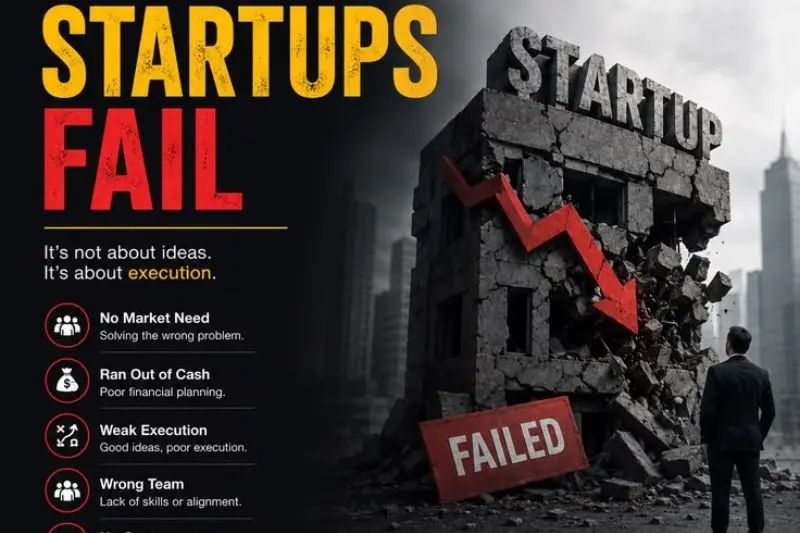
Startup mistakes to avoid refer to common errors that entrepreneurs make when launching or managing a new business. These mistakes often lead to financial loss, slow growth, or complete business failure.
They usually occur due to lack of experience, poor planning, or unrealistic expectations. Some mistakes are strategic, while others are operational or financial.
Common categories include:
- Poor market research
- Weak business planning
- Ineffective marketing strategies
- Hiring the wrong team
- Mismanagement of funds
- Ignoring customer feedback
- Scaling too early
Understanding these mistakes helps entrepreneurs make better decisions and avoid unnecessary risks.
Why Are Startup Mistakes Important to Understand?
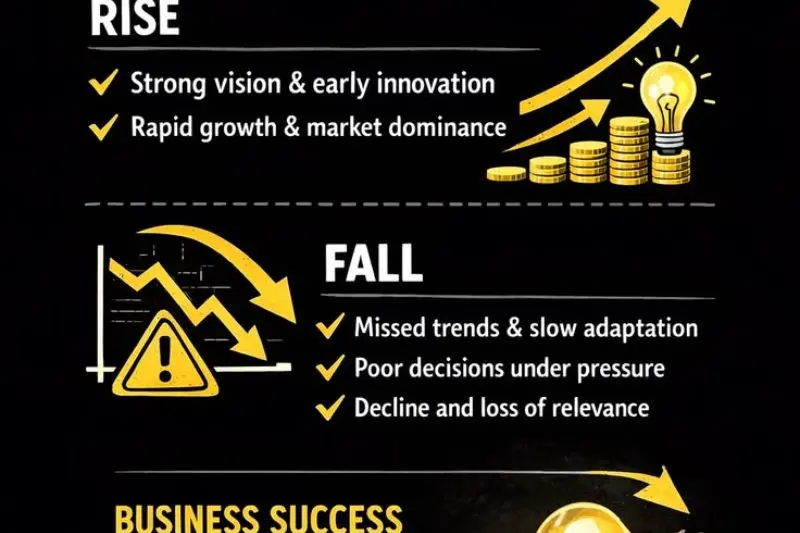
Learning about startup mistakes to avoid is essential because it helps founders reduce risk and increase efficiency.
Many startups fail not because of bad ideas but because of preventable errors. By understanding these mistakes, entrepreneurs can improve decision-making and build stronger businesses.
Key reasons include:
- Reducing financial losses
- Improving business strategy
- Increasing survival rate of startups
- Enhancing decision-making skills
- Building stronger customer relationships
- Avoiding wasted time and effort
In simple terms, knowing what not to do is just as important as knowing what to do.
Detailed Step-by-Step Guide to Avoid Startup Mistakes
Step 1: Conduct Proper Market Research
Before launching a startup, understanding the market is essential. Many founders assume there is demand without validating it.
Market research helps identify:
- Customer needs
- Competitor strategies
- Market gaps
- Pricing expectations
Without this step, businesses often build products that no one needs.
Step 2: Validate Your Business Idea
Idea validation ensures that your concept solves a real problem. Instead of investing heavily upfront, test your idea with a small audience.
You can validate through:
- Surveys and interviews
- Landing pages
- Prototype testing
- Minimum viable products (MVP)
This reduces risk and improves product-market fit.
Step 3: Build a Strong Business Plan
A business plan acts as a roadmap for your startup. It outlines goals, strategies, and financial projections.
A strong plan includes:
- Business model
- Revenue streams
- Marketing strategy
- Cost structure
- Growth plan
Without planning, startups often lose direction quickly.
Step 4: Manage Finances Carefully
Financial mismanagement is one of the biggest startup mistakes to avoid. Many startups run out of cash due to poor budgeting.
Key financial practices include:
- Tracking expenses regularly
- Avoiding unnecessary spending
- Maintaining cash reserves
- Forecasting revenue accurately
Proper financial control ensures business stability.
Step 5: Build the Right Team
A startup’s success depends heavily on its team. Hiring the wrong people can slow growth and create internal conflicts.
Focus on:
- Skills and experience
- Cultural fit
- Adaptability
- Problem-solving ability
A strong team drives innovation and execution.
Step 6: Focus on Customer Feedback
Ignoring customer feedback is a major mistake. Customers provide valuable insights that can improve products and services.
Always:
- Collect feedback regularly
- Analyze user behavior
- Make improvements based on data
Customer-centric businesses grow faster and stronger.
Step 7: Avoid Premature Scaling
Scaling too early is a common reason startups fail. Growth should happen only after achieving product-market fit.
Before scaling, ensure:
- Stable revenue
- Strong customer base
- Efficient operations
- Reliable product performance
Controlled growth is more sustainable.
Benefits of Avoiding Startup Mistakes
Avoiding common startup mistakes leads to long-term business success.
- Higher survival rate for startups
- Better financial management
- Stronger customer relationships
- Improved decision-making
- Increased profitability
- Faster sustainable growth
- Reduced operational risks
- Better team performance
- Stronger brand reputation
- Improved investor confidence
- Efficient resource utilization
- Higher product quality
- Reduced stress for founders
- Clear business direction
- Greater market competitiveness
- Better scalability potential
- Improved innovation capacity
- Lower failure risk
- Stronger strategic planning
- Long-term stability
These benefits highlight the importance of careful planning and execution.
Disadvantages and Risks of Ignoring Startup Mistakes
Ignoring startup mistakes to avoid can lead to serious consequences.
- Financial loss and bankruptcy
- Poor product-market fit
- Weak customer retention
- Team instability
- Loss of investor trust
- Operational inefficiency
- Missed market opportunities
- Slow or no growth
- High employee turnover
- Damaged brand reputation
Many startups fail within the first few years due to these avoidable issues.
Common Mistakes to Avoid in Startups
Many entrepreneurs repeat the same errors when launching businesses.
One major mistake is skipping market research and assuming demand exists. This often leads to products that fail in the market.
Another common issue is poor financial planning, where founders spend too quickly without tracking cash flow.
Other mistakes include:
- Ignoring customer feedback
- Hiring too quickly or too slowly
- Lack of clear business goals
- Overcomplicating the product
- Weak marketing strategy
- Focusing only on product, not sales
- Avoiding competition analysis
Avoiding these mistakes significantly increases the chances of success.
Frequently Asked Questions
What are the most common startup mistakes?
The most common startup mistakes include poor market research, weak financial planning, hiring the wrong team, and scaling too early.
2. Why do most startups fail?
Most startups fail due to lack of market demand, poor execution, financial mismanagement, and ignoring customer needs.
3. How can I avoid startup failure?
You can avoid failure by validating your idea, managing finances carefully, building a strong team, and focusing on customer feedback.
4. Is market research necessary for startups?
Yes, market research is essential because it helps identify demand, competition, and customer needs before launching a product.
5. When should a startup scale?
A startup should scale only after achieving product-market fit, stable revenue, and consistent customer demand.
6. How important is a business plan?
A business plan is very important because it provides direction, helps secure funding, and defines long-term goals.
7. What is the biggest mistake entrepreneurs make?
One of the biggest mistakes is building a product without confirming whether customers actually need it.
8. Can startups succeed without funding?
Yes, many startups succeed with bootstrapping by focusing on revenue generation and careful financial management.
Expert Tips & Bonus Points
Successful startups focus on execution rather than just ideas. A good idea is not enough without proper strategy and consistency.
Always start small and validate before investing heavily. This reduces risk and improves learning.
Keep operations simple in the early stages to avoid unnecessary complexity.
Track key performance indicators regularly to measure progress accurately.
Build strong relationships with customers, as they are the foundation of long-term success.
Stay flexible and ready to pivot if market conditions change.
Avoid chasing trends blindly; instead, focus on solving real problems.
Invest in learning business fundamentals such as marketing, finance, and operations.
Finally, maintain discipline and patience, as startup success takes time and persistence.
Conclusion
Understanding startup mistakes to avoid is one of the most important steps for any entrepreneur who wants to build a successful business. While many startups fail due to common and preventable errors, awareness and preparation can significantly improve success rates.
From market research to financial planning, team building to scaling strategies, every stage of a startup journey requires careful attention. Ignoring these areas often leads to costly mistakes that could have been avoided with proper knowledge and planning.
At the same time, avoiding mistakes is not just about preventing failure; it is also about building a strong foundation for growth. Startups that focus on learning, adapting, and improving continuously are more likely to succeed in competitive markets.
Ultimately, success in entrepreneurship comes from discipline, execution, and the ability to learn from both successes and failures. By applying the principles discussed in this guide, entrepreneurs can reduce risks, make better decisions, and move closer to building a sustainable and profitable business.
